Thank you for joining us again for this week’s episode of the Homebrew Happy Hour … the podcast where we answer all of your homebrewing questions and discuss all things related to craft beer!
On Today’s Show:
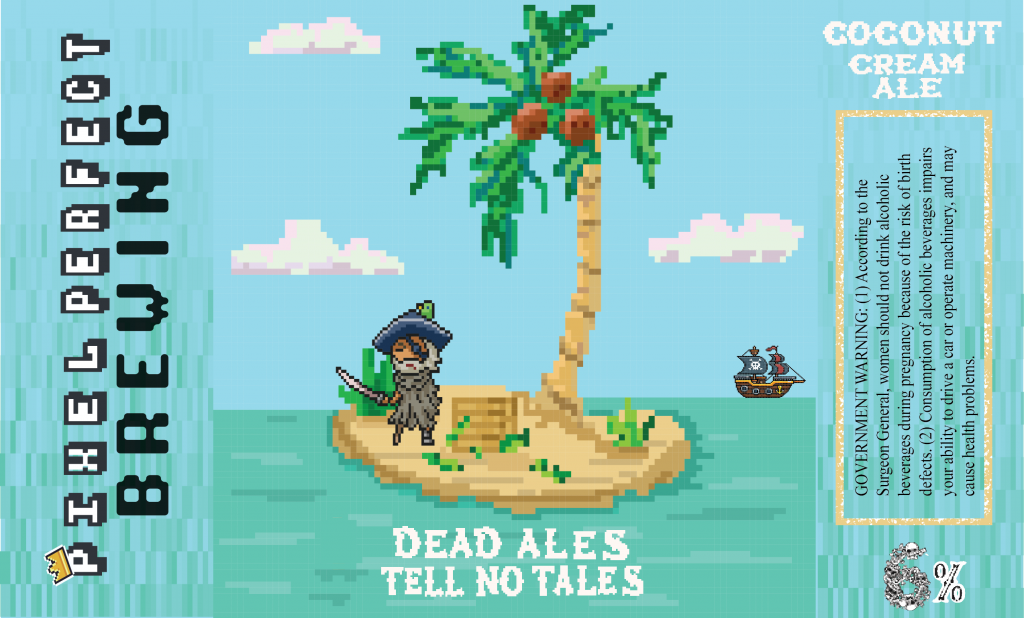
Todd and James are out of the country, attending the Brau in Nuremberg, Germany, so I’m excited to present this week’s episode; another “Homebrewer Showcase”! Rob Partin from Virginia is the man behind “Pixel Perfect Brewing” and he is also responsible for some really awesome label art for his beers.
Rob is also big into canning so I’m glad I was able to pick his brain a little and learn a lot about how easy it is for homebrewers to get into canning as well as the benefits of canning versus bottling.
I had a ton of fun with Rob and I hope you enjoy this week’s episode.
We want to hear from you!
If you have a question that you’d like us to discuss on a future episode, please click on the “Submit a Question” link at the top of our website or you can now call in your questions via our questions hotline @ 325-305-6107 and leave your message after the beep. This is a friendly reminder that, if we choose your question for a future episode, we give you a $25 gift card to that episode’s sponsor!
Let us know what you think and enjoy the show!
cheers,
joshua
Become a Patron! Reminder that these episodes are ultimately made possible because of YOUR support. Consider becoming a member of our newly launched Patreon page and receive perks such as merch, exclusive group access and content, recipes, and some tiers even get monthly recipe kits mailed to you!
Are you a member of the American Homebrewers Association yet? Join today and receive a FREE copy of “Session Beers” by Jennifer Talley on top of all the other cool perks that an AHA membership offers — CLICK HERE FOR MORE INFO
American lagers (especially light lagers) are as American as mom, apple pie, and the US flag. As homebrewers and lovers of craft beer, we tend to denigrate American Lagers. Perhaps our grandfather’s American lager is not the same beer we have available today? The American Lagers of today may have mass appeal for many drinkers, but the American beers before the 1970s were not the light adjunct-laden low hopped lagers available in 30 packs today. The big brewing companies are known to have taken out some of the hops and added additional corn syrup to make a less expensive beer that would appeal to the masses, creating beer drinkers out of those who were not fond of beer. How did we get there? Is there a home for real American lagers in your fridge?
American lagers (especially light lagers) are as American as mom, apple pie, and the US flag. As homebrewers and lovers of craft beer, we tend to denigrate American Lagers. Perhaps our grandfather’s American lager is not the same beer we have available today? The American Lagers of today may have mass appeal for many drinkers, but the American beers before the 1970s were not the light adjunct-laden low hopped lagers available in 30 packs today. The big brewing companies are known to have taken out some of the hops and added additional corn syrup to make a less expensive beer that would appeal to the masses, creating beer drinkers out of those who were not fond of beer. How did we get there? Is there a home for real American lagers in your fridge?
It’s time we homebrewers claimed real American lager back. Let’s give the nod to the beer that the greatest generation drank!
The consensus is that American lagers from our grandfather’s time were pale lagers (or ales in some cases) with a clean, refreshing, and more robust flavor than today’s versions. Maltier, more bitter, and hoppier with higher alcohol by volume (ABV), these beers captured America’s taste buds and hearts, especially pre-Prohibition. After Prohibition, these classic American pilsners were a little less bitter with a little less ABV. Because few American breweries make these beers today, homebrewers are left to design (and drink!) their creations.
How did we get to this point? A classic American beer that was loved by our grandfathers is now a shadow of itself. How can we make American Lagers great again?
Budweiser. Schlitz. Olympia. Ballantine. Old Milwaukee. These are the ones that were best known and loved and at one time, among the largest breweries in the US.
Budweiser
With a tagline of “The King of Beer,” this best-known brand was first brewed in 1876. Founded by Adolphus Busch, the Anheuser-Busch Brewing Company was the first American brewery to use pasteurization as early as the 1870s and introduced artificial refrigeration and even refrigerated railcars. This ensured national distribution, making them a part of the American fabric. Budweiser was the original creator of the light-colored American lager, as the others available at the time were darker. The recipe, which includes 30% rice, is mostly responsible for this. Prohibition created a brief set back while they produced non-alcoholic sodas and malt products, but after the repealing of Prohibition, they rebounded and became the #1 brand in American by the late 1950s. Nearly everyone contends that the Bud they knew and loved had changed over the years, becoming more nondescript. A Wall Street Journal article states that “Anheuser concedes Budweiser has changed over the years. It quietly tinkered with its formula to make the beer less bitter and pungent, say several former brewmasters, a byproduct of the company’s desire to create a beer for the Everyman.”
Founded in 1849 and then acquired by Joseph Schlitz in 1858, the brewery was officially named the Joseph Schlitz Brewing Company. This brewery based in Milwaukee, Wisconsin, was once the largest producer of beer in the United States, beginning in 1902 when the production of one million barrels exceeded Pabst’s offerings. There was a brief change in the company’s name during Prohibition to Schlitz Beverage Company because of the ban on manufacturing alcoholic beverages. Once Prohibition ended, the “Beer that Made Milwaukee Famous” brand remained a powerhouse brewery until the mid-1970s. Many of today’s older adults remember the commercials with the line, “When you’re out of Schlitz, you’re out of beer.” In the early years of the 1970s, there was still a considerable demand for Schlitz beer, and the ownership also wanted to cut the cost of production. This meant a massive change in the brewing of Schlitz beer. This was the point where adjuncts were added in the form of corn syrup to replace some of the more expensive malted barley. Other changes included fermenting the beer at a higher temperature as a cost-saving measure and using cheaper extracts. By not cold storing the beer as long as in the past, the beer was rushed to bottle sooner. They tried continuous fermentation instead of the traditional method. Because a haze resulted from these changes, the brewery began adding a silica gel to prevent this haze. The new Schlitz formula for their flagship beer lost much of its following, as the flavor had changed, and it seemed less shelf-stable. At the same time, the Food and Drug Administration began enacting labeling laws, and the silica gel was a concern for the brewery. They experimented with a different clarifier that would not be subject to labeling requirements, but the unexpected reaction of this clarifier to their bottles created a recall for 10 million bottles of beer. This sealed the decline of Schlitz, and they ceased production in 1981. Sold and resold, Pabst gained control of the Schlitz name in 1999. According to documents, the original recipe for Schlitz was lost during the remaking of the brand in the early 70s. After acquiring the Schlitz brand in 1999, Pabst claims to have reconstructed the original well-loved formula by interviewing former brewmasters and researching old papers.
Old Milwaukee
The brand Old Milwaukee was produced by the Joseph Schlitz Brewing Company. It was also first brewed in 1849 and became a value-priced offering from Schlitz in the 1930s following Prohibition. It used adjuncts and could be considered one of the first of America’s light lagers. Using corn syrup and fewer hops from at least the 1930s on, it was a less expensive (and less flavorful) beer to produce. Advertised with the tagline, “It doesn’t get any better than this!” many people would disagree. Pabst Brewing Company continues to produce Schlitz beer and Old Milwaukee.
Ballantine
Ballantine may not be as well known as Schlitz, but at one time, was the 3rd largest brewing company in the US. Beginning production in 1840, Ballantine is notably the first US brewery to make an India Pale Ale while its Ballantine XXX Ale was the most popular offering. Unlike today’s major breweries, Ballantine was known for its ales, although it did produce a couple of lagers as well. Manufacturing malt syrup to stay afloat during Prohibition, once the ban on manufacturing alcohol was lifted in 1933, the company ramped up its beer production remaining quite popular until the mid-1960s. The public’s infatuation with the available new lighter lagers spelled the beginning of the end for the owners who sold the brewery in 1972. The recipes changed, and the brand continued to lose popularity. It was resold, and acquired by Pabst in 1985. Pabst continued to brew the Ballantine label but stopped brewing the IPA in 1996. The last remaining beer was XXX Ale, although the recipe changed several times over the years and is not the same as the original. In 2014, Pabst relaunched a new Ballantine IPA, although the original recipe was lost, and this is their attempt to recreate it. Pabst also recreated Ballantine’s Burton Ale for a special release in 2015. Mitch Steele’s book on India pale ales, IPA: Brewing Techniques, Recipes, and the Evolution of India Pale Ale includes a recipe of his re-creation of the Ballantine IPA named “Cluster’s Last Stand.” Using the hops and grains most likely available and used in the original, this recipe may be a close facsimile of the beer.
Olympia
Founded in 1896, The Olympia Brewing Company was located near Olympia, Washington. With the slogan “It’s the Water,” the brewery was successful, but Prohibition ended operations at the original location. With a new brewery, the brewing began at a new site just upriver in 1934. A trendy regional brand for more than 50 years, it eventually expanded its distribution nationally and was known as a value-priced lager. Because it was distributed nationally while other American lagers like Coors were not, the brand did very well until the early 1970s. After that time, sales stalled, and the company was sold in 1983. Through corporate consolidation, it changed hands several times (G. Heileman, Stroh’s, Pabst, SABMiller) and is currently contract brewed by MillerCoors.
Reclaim American Lagers!
We’ve all heard the jokes about American lagers! They are “like having sex in a canoe (google the joke if you’re unfamiliar).” We’ve heard them called swill and, even worse, had craft beer lovers turn their nose up at the idea of having one. Still, the real American lager is a great beer. The classic American pilsner has flavor, aroma, and crispness, and is not a watered-down version of any other beer. Homebrewers should be proud to have such a style as this in their repertoire and beer snobs, er, connoisseurs, can enjoy it with pride.
Recreating these Beers
Recreating the original version of these beers may be quite tricky, even for the companies who now own them, as records where not always kept in tough times as in Prohibition or during a sale. Adding to the difficulty, recipe formulations were changed based on cost, availability, and drinker’s tastes as lighter American lagers became more popular.
Many old-time Schlitz lovers insist that today’s Schlitz is far different than the beer they knew and loved. To recreate the original Schlitz, we need to consider the ingredients available to the brewery during its heyday. We also need to remember the flavor profile that’s been described. Before ingredients like corn syrup were added, American pale lagers likely had more alcohol, more body, more malt flavor, a tad more bitterness, and a bit more hops flavor and aroma. There would be a similar balance and bitterness as today’s Czech pale lagers, but with American hops and grains.
Cluster hops were likely the bittering hops used and were the predominant US hops variety available, especially in Wisconsin. To this day, if you drive in rural Wisconsin and see vines growing up over old farmhouses and barns, you will see cluster hops gone wild. Some recipes of pre-prohibition lagers have been known to use imported hops- notably, a Budweiser label from 1900 showed “Saaz hops” as an ingredient.
For the grain bill, it’s quite likely to have used a very light-colored base malt along with some corn as the adjunct. For a complete and quick conversion of the starches to sugars, some malt with higher diastatic power would have been used, so we’d include some 6-row malted barley. This beer would be fermented cool (50 degrees F) and lagered at 40 degrees for 4-6 weeks. The recipe below uses a traditional lager yeast for more authentic results, but with some of the new yeast strains available, you may choose a different fermentation schedule.
Yooper’s Oh Schlitz (recipe)
5 Gallon Batch OG 1.053 FG 1.013 Est ABV 5.18% Grain 6.5 lbs American pilsner malt 2.25 lbs flaked corn 1.3 lbs American 6-row malt (or sub with American pilsner malt if unavailable) The authentic recipe would utilize a step mash, with a protein rest at 122F, a beta rest at 148F, and an alpha rest at 156 and/or a cereal mash. However, with today’s modern malts, a single mash rest at 150F would do if step mashing is not convenient. Hops 1.25 oz Cluster hops (6.5AA) 60 minutes 1.25 oz Crystal hops (4.3 AA) 0 minutes (added at flameout) Yeast White Labs 833 German Bock Yeast (or the lager yeast of your choice suitable for American pale lagers) Ferment at 50F degrees until 75% finished, then raise the temperature for a diacetyl rest to 68F until finished. Lager at 40 degrees for 4-6 weeks before serving.
Enjoy your foray into recreating these classic beers!
Thank you for joining us for yet another episode of the Homebrew Happy Hour … the podcast where we answer YOUR homebrewing questions and discuss all things related to craft beer!
On Today’s Show:
Todd and James join me once again for the most fun I’ve had all week. To be fair, it’s been a pretty boring week… KIDDING, Todd!
For this week’s show, I fielded some questions that focused specifically on extract brewing. It’s easy, as an all-grain brewer, to forget how good of beers you can produce from extract reccipes! I, personally, also tend to forget how much and enjoyable an extract brew day can be… specifically, when it comes to the clean up and time management components. I feel like we should produce some #brewday videos doing extract batches; what do you think?
We want to hear from you!
If you have a question that you’d like us to discuss on a future episode, please click on the “Submit a Question” link at the top of our website or you can now call in your questions via our questions hotline @ 325-305-6107 and leave your message after the beep. This is a friendly reminder that, if we choose your question for a future episode, we give you a $25 gift card to that episode’s sponsor!
Let us know what you think and enjoy the show!
cheers,
joshua
Become a Patron! Reminder that these episodes are ultimately made possible because of YOUR support. Consider becoming a member of our newly launched Patreon page and receive perks such as merch, exclusive group access and content, recipes, and some tiers even get monthly recipe kits mailed to you!
Are you a member of the American Homebrewers Association yet? Join today and receive a FREE copy of “Session Beers” by Jennifer Talley on top of all the other cool perks that an AHA membership offers — CLICK HERE FOR MORE INFO
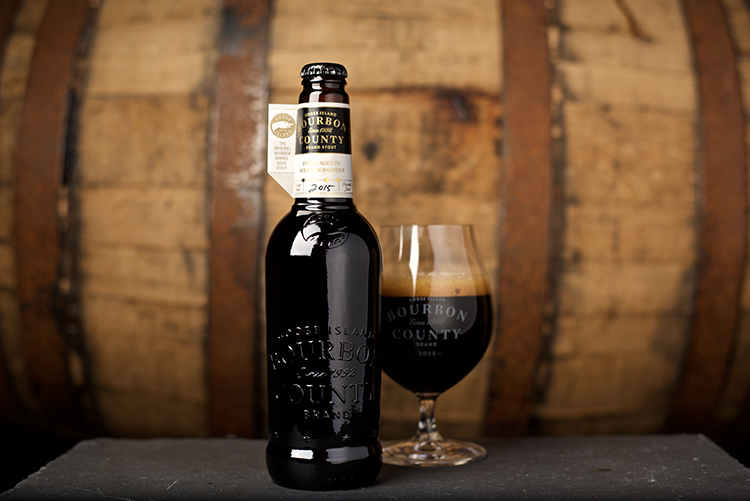
Every Black Friday, folks head out in droves to do their holiday shopping. If you’re into craft beer, you know that Black Friday is also the day that Bourbon County Stout from Goose Island comes out. In very populated areas, it can be hard to get your hands on, and like many popular beers, clone recipe trials and tests are not far around the corner. Thankfully, Goose Island list some of the essentials on their website, so a close clone isn’t as hard to achieve in this case.
About Bourbon County Stout
If you don’t know, Bourbon County Stout a big beer (13-15% varies a bit yearly). It’s aged in bourbon barres and the label says it can age and develop an additional five years in the bottle. Prior to last year, they were available in four packs of 12oz bottles or in singles in many beer stores. Now (2015 and beyond), they are released in 16.9oz bottles. There are several other styles in the Bourbon County family, but today we are only talking about a clone for the bourbon county stout.
Bourbon County Stout Clone
I mentioned that they list a lot of important recipe information on their site, meaning we have a great jumping off point. So let’s begin there. The grain bill for the 2016 release includes 2 Row, Black Malt, Caramel malt, Chocolate Malt, Munuch 10L, and Roasted Barley. The only hops used are Millennium, so that makes figuring out things a lot easier. Lastly it has 60 IBUs and is 13.8% ABV. This is actually more information than you can usually find when trying to formulate a clone. Bourbon County is one of the thickest stouts you can get. The final gravity should land around 1.030, so to get to 13.8% we would need a starting gravity of 1.135. That’s a very high starting point, so extra care will be needed when it comes to fermentation management, which we’ll get to a bit later. Here is what the recipe looks like for a 5 gallon batch with 75% efficiency.
Bourbon County Clone
Grains / Extracts
Hop Schedule
Yeast
17 Pounds – 2 Row
.7 Pounds – Black Malt
1 Pound – Crystal 60L
1 Pound – Chocolate Malt
1 Pounds – Roasted Barley
5 Pounds – Munich (10L)
1oz – Millennium @60
1oz – Millennium @45
Safale US-05
By the NumbersOG: 1.135 FG: 1.030 ABV: 13.8% IBUs 60
Now, that grain bill likely pushes the very upper limits of your mash tun, if not exceeds it. Your mash will likely be a thicker ratio than you’re normally used to mashing at. This can have a negative affect on your brewhouse effeciency. Because of this, It’s a good idea to have several pounds of light extract on hand in case you don’t hit your numbers. The other option is to continue onward with a slightly lower starting gravity. You should still end up with a close rendition of Bourbon County, even at 10-11%.
Yeast Nutrition and Fermentation Management
It goes without saying that you should pitch a large starter to ensure full attenuation. Consider stepping it up 2-3 times. Oxygenation is another important method to employ to help your beer attenuate to your desired FG. Higher OG beers require a bit more oxygenation as they do not absorb oxygen as easily. You should also consider oxygenating twice, once at pitch, and once 12 hours later, to ensure the yeast has all it needs during its reproductive phase. You can charge your beer up to 8ppm of oxygen using an air pump oxygenation kit. In addition, you should look to add extra yeast nutrient to the beer. Adopting a staggered nutrient addition regiment, similar to that used by mead makers to ensure healthy and complete fermentations in high stress scenarios. Instead of adding the entire dose of nutrients when you pitch your yeast, simply add 1/3 of a full dose at pitch, another 1/3 after the lag phase has ended, and a final 1/3 a day later. Basically, this keeps the yeast happy without feeding them a bunch of nutrient up front where they may get lazy after a day or two.
Aging With Oak and Bourbon, and Conditioning
Now you’re on the home stretch of your Bourbon County clone. If you’re using chips or cubes, make sure you use heavy toast, or at least medium, as they will be the closest imitation to the wood used for a bourbon barrel. Soak the chips or cubes in bourbon while the beer is fermenting. When fermentation is done or mostly done, add the bourbon and oak to the beer. You’ll want to pay attention to not over-oak the beer. Once it’s at a point you are happy with (take samples to monitor progress) you can prime and bottle or transfer to a keg. When it comes to conditioning, Goose Island bottles in October, and the beer is released at the end of November. So plan on conditioning for at least 7-8 weeks for more accuracy, and continue to age as you see fit from there.
Thank you for joining us for yet another episode of the Homebrew Happy Hour … the podcast where we answer YOUR homebrewing questions and discuss all things related to craft beer!
I don’t know where you’re tuning in from but, here in central Texas, it is FINALLY feeling like brewing weather. High 40’s, low 50’s (Fahrenheit, to clarify for our international crowd!) and sunny days. I LOVE IT! I hope you’re having good weather and even better brewing days too.
On Today’s Show:
Matt Bolling from the American Homebrewer’s Association joins me today to discuss the upcoming “Learn to Homebrew Day” which is THIS SATURDAY, November 2nd, 2019. It’s always the first Saturday of November and it is always a good time!
Matt is the Events & Membership Coordinator at the AHA and we’ve known him for a while. If you’ve ever attended any of the events put on by the AHA and/or the BA, you’ve probably seen Matt around or at least experienced a good time thanks to the efforts of Matt and the entire team there at the AHA.
He talks about Learn to Homebrew Day as well other fun stuff such as the other events going on throughout the year, his own homebrewing experience, and the benefits and joys of being a part of a local homebrewing club. I had an absolute blast with Matt and hope to have him on again in the future!
We want to hear from you!
If you have a question that you’d like us to discuss on a future episode, please click on the “Submit a Question” link at the top of our website or you can now call in your questions via our questions hotline @ 325-305-6107 and leave your message after the beep. This is a friendly reminder that, if we choose your question for a future episode, we give you a $25 gift card to that episode’s sponsor!
Let us know what you think and enjoy the show!
cheers,
joshua
——————-
Become a Patron! Reminder that these episodes are ultimately made possible because of YOUR support. Consider becoming a member of our newly launched Patreon page and receive perks such as merch, exclusive group access and content, recipes, and some tiers even get monthly recipe kits mailed to you!
Thank you for joining us for yet another episode of the Homebrew Happy Hour … the podcast where we answer YOUR homebrewing questions and discuss all things related to craft beer!
On Today’s Show:
Todd and James join me for a fun filled episode of the show! We catch up with the birthday boy, Mr. Carlson, about him turning 50. We also are reminded how annoyed Todd gets by me and how much he’s looking forward to me starting to gush about Founder’s Breakfast Stout (can you sense the sarcasm yet?). We also eventually take a couple of questions and it’s this segment of the show that I’m most thankful for Todd and James! Kidding aside —
I would also like to remind everyone that our very first Patreon exclusive LIVE Q&A is THIS FRIDAY (October 25th) at 6pm in our private Facebook group that you can join at ANY level of our Patreon community. The lovely Lorena Evans will be taking your questions and it’s going to be a blast!
We want to hear from you!
If you have a question that you’d like us to discuss on a future episode, please click on the “Submit a Question” link at the top of our website or you can now call in your questions via our questions hotline @ 325-305-6107 and leave your message after the beep. This is a friendly reminder that, if we choose your question for a future episode, we give you a $25 gift card to that episode’s sponsor!
Let us know what you think and enjoy the show!
cheers,
joshua
Become a Patron! Reminder that these episodes are ultimately made possible because of YOUR support. Consider becoming a member of our newly launched Patreon page and receive perks such as merch, exclusive group access and content, recipes, and some tiers even get monthly recipe kits mailed to you!
October’s Patreon Featured Recipe: https://www.kegconnection.com/koln-kolsch-true-to-style-all-grain-recipe-kit/
https://www.patreon.com/HomebrewHappyHour
Bohemian Pilsner that James brewed –
All Grain: https://homebrewsupply.com/bohemian-pilsner-all-grain-recipe-kit/
Extract: https://homebrewsupply.com/bohemian-pilsner-extract-recipe-kit/
02:28 – Todd’s idea for promoting our Patreon
07:41 – New recipes we’re developing
08:56 – News and exclusives for our Patreon community
12:00 – Update one James’ latest brew, a Bohemian Pilsner
15:40 – HAPPY BIRTHDAY, JAMES!
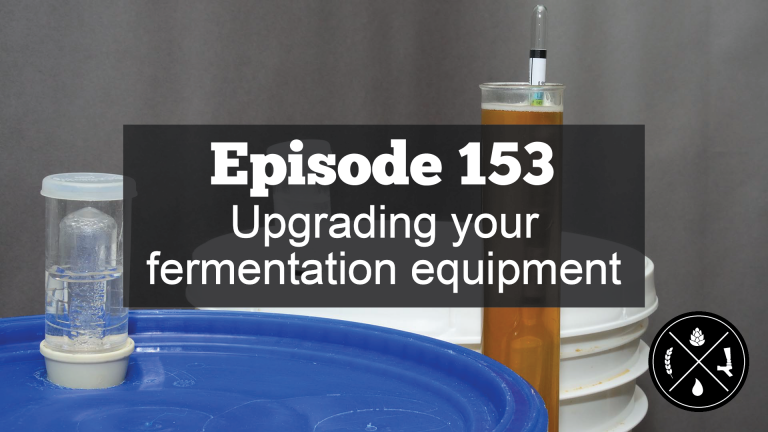
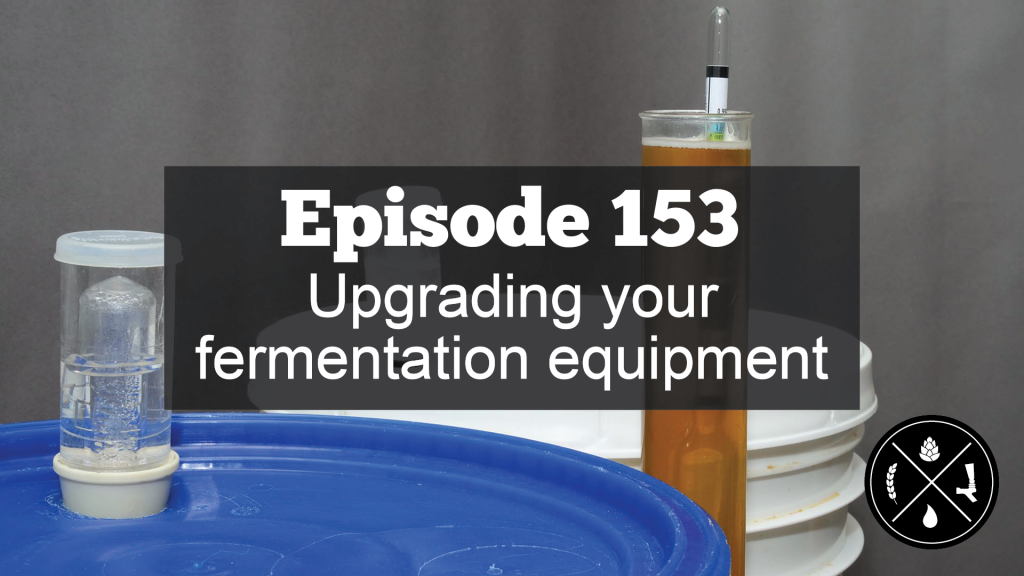
18:13 – Question 1, upgrading fermentation equipment
34:50 – Question 2, using a kegerator to serve and ferment?
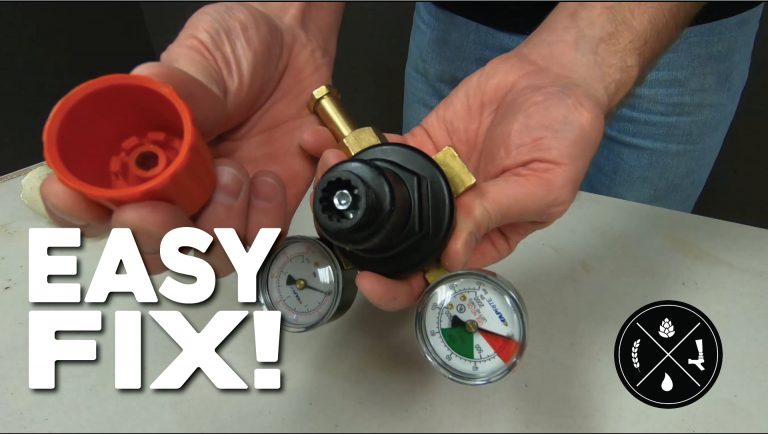
We’ve gotten a few requests from listeners of our podcast on how to replace the bonnet on their premium Taprite regulator whenever it strips. Stripping isn’t a common issue with these regulators but can occur, especially if you’re using your system consistently to force carbonate your beer. Fortunately, it’s easier to fix than you might think! James Carlson from CMBecker International shows you how in this short and sweet video. REMINDER – if you did purchase your Taprite regulator from Kegconnection.com, it does come with a 2-year extended warranty! So, if you don’t feel like replacing the bonnet yourself, you can ship it to Kegconnection and they’ll replace it for free and cover the shipping costs. However, if you’re like us and would rather not wait longer than you have to, you can also get the replacement kit shipped out to you and do it yourself! T
When I started brewing in 2017, I just wanted to brew the clearest brightest IPA I possibly could. I used several different fining agents including gelatin, Biofine clear, and Whirlfloc. I wanted the beer to be so translucent that you could read a magazine through it. Flash forward two and a half years and now I find myself trying to create the haziest IPA possible. While NEIPA’s have become extremely popular amongst professional breweries, they have become an even more desirable creation with the home brewing community. Homebrewers are constantly trying to match the appearance, flavor, and aromas often found at popular breweries such as Treehouse, Trillium, and The Alchemist. In late 2018 I made my first attempt at mastering this style, and while the beer was most certainly drinkable, it still lacked many of the characteristics found in this relatively new style. I used a ton of flaked wheat and flaked oats, in hopes that my beer had as much opacity as a tall glass of heavily pulped orange juice. No matter how hard I tried I still fell short with one facet or another. Over the next several months I worked on developing a silky mouth feel, juicy flavors, unique aromas, and most importantly creating a stable haze that could be produced without merely shaking the keg prior to pouring each pint. While I still haven’t mastered the perfect NEIPA, I feel like I am very close to reeling in this white whale.
Featured Product
Juicy Sundrops NEIPA
This isn’t your Grandfather’s IPA. This fruity, “juicy”, hazy ale looks, smells, and tastes like straight up fruit juice. Bountiful citrus aroma & flavor cascade in every pint you pour. What are you waiting for? It’s time to join the Haze Craze!
$38.24 Order Now
Water and the Grain Bill
Initially
I thought that the most important ingredients to a perfect NEIPA were yeast and
flaked malts, such as wheat and oats, but after several attempts I discovered
that there were far more factors to consider. The first variable to consider is
the water chemistry being used to brew. NEIPA’s require a water base higher in
calcium chloride and lower in sulfate. In fact, many experts agree that a good
starting ratio is a 2 ppm of chloride to 1 ppm of sulfate. Some brewers have
even gone as much as 2.5 to 3 ppm to 1 ppm. I tend to stick close to the 2 to 1
ratio, which places my water profile around 190 ppm chloride to 90 ppm sulfate.
Using this profile on my latest NEIPA produced a fantastic silky
mouthfeel.
The
next major characteristic that I focused on was color. I wanted a nice bright
orange appearance that could easily be mistaken for orange juice, but everything
I had produced to this point appeared too amber or copper in color. I tried a
variation of caramel malts to produce the orange hue, but it wasn’t until I
tried Viking caramel 150 that I finally got close to the desired shade. I
attempted to use Vienna malt and I noticed that it enhanced the orange color
even more. I finally discovered the sweet spot was around 2% Viking caramel 150
and 2% Vienna malt. Combined with 80% Viking pale 2 row I was finally able to
produce the preferred color.
Next,
I moved on to the specialty grains that would produce the haze I was seeking.
For this I turned to flaked oats and flaked wheat. I had been told by a number
of brewers that 15 or 20% of the grain bill should include these unmalted
grains, but after a bit of research I discovered that using too many flaked
grains could lead to unwanted oxidation, even if all the necessary steps were
taken to avoid it. So, I scaled back the unmalted additions to around 6.5%
each. Dropping this part of the grain bill lowered the amount of haze slightly,
but it also avoided the undesirable taste of oxidation as well. In the final 3%
of the grain bill I include rice hulls to help avoid any potential stuck sparge
I might encounter.
Hop additions
With
the water profile and grain bill in place it’s now time to focus on the
all-important hop additions. There is a huge debate among brewers regarding the
hop schedule for NEIPAs. Some will have you believe that you should never
introduce any hops into the kettle during the boil. There goal is to extract
all of the flavors and aromas during the whirlpool. Some, on the other hand
will tell you that it doesn’t hurt to include a hop addition late in the boil.
Still others will stick to a more traditional hopping and at least add a
60-minute addition along with a 20 to 25-minute whirlpool. In reality it comes
down to a matter of preference. I personally have tried no additions until
whirlpooling, as well as late boil additions. I prefer a NEIPA that has some
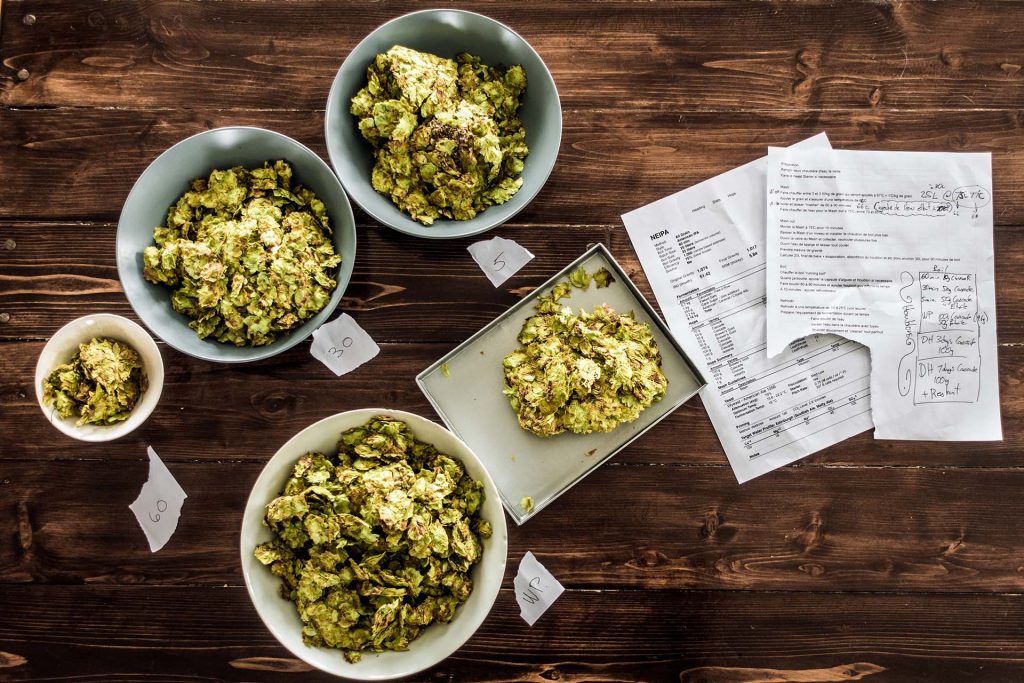
backbone, so I perform a first wort hop during the sparge. Once I have about 20
minutes left in the sparge I will add .5 to 1 oz of a mid-level Alpha Acid hop
such as Amarillo or Galaxy. Once boil begins, I will wait until there is about
10 minutes left in the boil upon which I will add a small dose of flavorful
hops like Citra or Azacca. When the boil has finally ended, I will kill the
heat source and begin to cool the wort until it reaches 185 F. At that point I
will turn the chiller off and re-fire the heat source to maintain the whirlpool
temp, and then I will add a generous dose of hops. I will stir the wort for 20
minutes and then once again kill the heat source and turn the chiller back on. Once
the wort has been chilled to about 68 F I will transfer to the conical, and drop
the air stone in. I like to let the stone aerate the wort for about 10 minutes
before I pitch the yeast.
Over
the past few months I have begun to focus deeply on limiting cold side
oxidation, especially when dry hopping. To accomplish this, I dry hop while the
wort is still fermenting. With NEIPAs I like to dry hop between 24 and 48 hours
into fermentation so that there is plenty of CO2 still in the conical to eat up
any oxygen that may enter when I open the hop port.
Pitching the perfect yeast
Yeast
selection is key in creating the perfect NEIPA. I have talked to several
brewers that use WLP066 London Fog, Wyeast1318 London Ale, Imperial A38 Juice,
or Imperial Yeast A04 Barbarian. I have achieved some pretty outstanding
results with A38. It really tends to enhance citrus fruit esters that are
highly desired in an NEIPA. No matter which yeast you choose I would always
recommend using some type of yeast nutrient to give the yeast a little extra
kick.
There
are a lot of people that will tell you NEIPAs are produced from lazy brewing
practices, but I would debunk that by saying some of the most complex brew days
that I have ever had involved the creation of Hazy Juicy IPA’s. In my personal
opinion NEIPAs are some of the easiest drinking and most satisfying home brews
one can create and I would highly encourage you to give it a shot at least once
before passing a negative judgment.
We welcome you back to another episode of the Homebrew Happy Hour … the podcast where we answer YOUR homebrewing questions and discuss all things related to craft beer!
On Today’s Show:
Ladik Joe Ermis from HomebrewSupply.com joins me today and we talk about the brown ale we recently brewed, the newly launched Patreon community (www.Patreon.com/HomebrewHappyHour), and we take questions about converting recipes from extract to all grain as well as a question on using Cabernet grapes in a beer recipe. It was a ton of fun and always a blast when Joe gets to come on the show!
We want to hear from you!
If you have a question that you’d like us to discuss on a future episode, please click on the “Submit a Question” link at the top of our website or you can now call in your questions via our questions hotline @ 325-305-6107 and leave your message after the beep. This is a friendly reminder that, if we choose your question for a future episode, we give you a $25 gift card to that episode’s sponsor!
Let us know what you think and enjoy the show!
cheers,
joshua
Become a Patron! Reminder that these episodes are ultimately made possible because of YOUR support. Consider becoming a member of our newly launched Patreon page and receive perks such as merch, exclusive group access and content, recipes, and some tiers even get monthly recipe kits mailed to you!
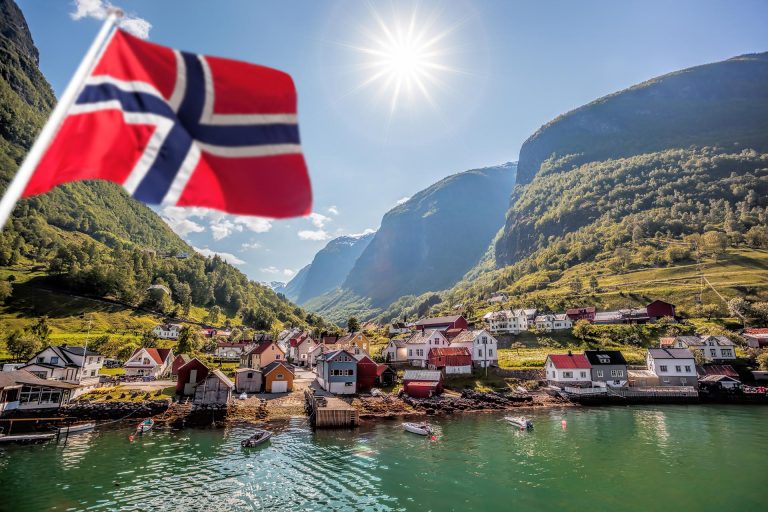
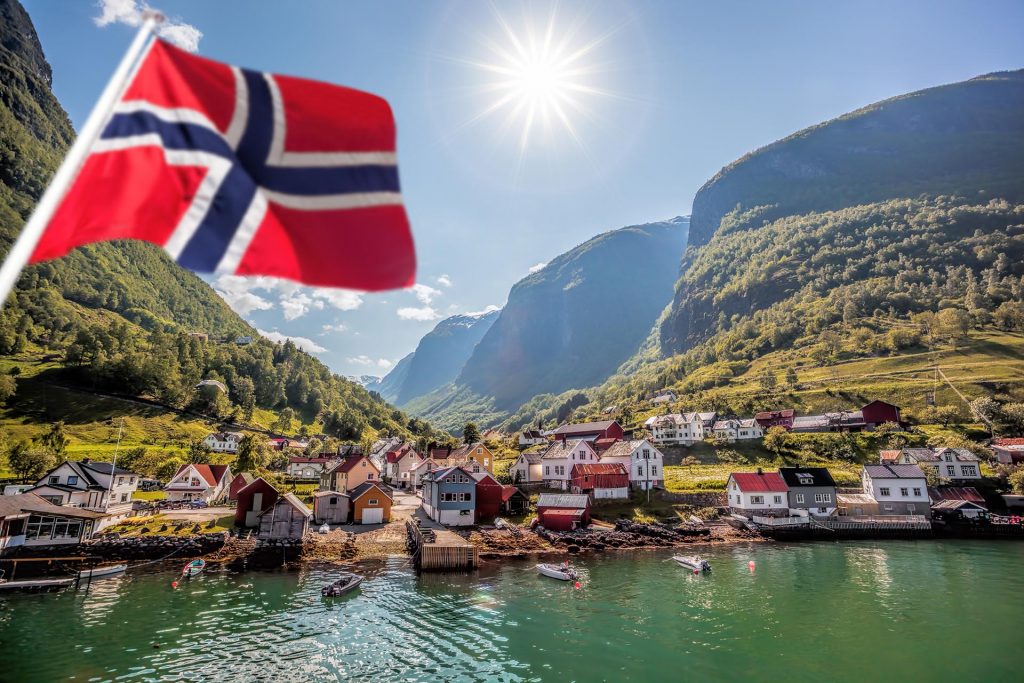
At first glance home brewing appears to be a linear process that follows a basic premise with fundamentally universal procedures. Those new to the brewing game will often hear seasoned vets preach about sanitation, maintaining mash temps, hitting the proper water PH, and most certainly the importance of temperature control during the fermentation process. That is until recently. Over the past several months a type of yeast has made its way to American yeast propagators, and it is not only changing the game in professional breweries, but it’s also whipping the home brewing sector into a frenzy. One of the most difficult things to master with Kveik is the pronunciation of the word. To English speaking people the word sounds like quake, as in earthquake. In Norway the W sound doesn’t exist so when a native of Norway pronounces the word it comes across as Ka-Vake. Regardless of how you say it Kveik has brought a whole new approach to the way we as home brewers ferment our frothy golden creations.
A blend of three different traditional Norweigan kveik, Kveiking can produce a ton of tropical fruit aromas! Pineapple and guava dominate the aroma profile, with other tropical and stone fruits mixed in. While a lower pitch rate can be used to really drive these aromas, care should be taken to ensure a continuous high fermentation temperature with a low pitch rate.
Kveik is not a particular strain of yeast in the traditional sense. The term itself is derived from a specific Norwegian dialect meaning “yeast”. Traditionally, yeast used in brewing consists of one specific strain such as California Ale or English Ale. Each of these strains imparts certain characters into the beer that are often quite easy to identify. Kveik on the other hand is formulated from the mixture of multiple strains of yeast that aren’t nearly as simple to identify. Kveik is a blend of yeasts that have been used for hundreds of years in Norway, and it is often passed down from generation to generation. Kveik is a central ingredient used in these Norwegian beers to create a number of unique and quite delicious farmhouse ales.
What makes Kveik different from single
strain yeast?
While
the modernized brewing processes have found their way in to Norway, Kveik is
still used on a regular basis, and for the most part it remains relatively
unchanged. There are two major differences that can be identified between Kveik
and single strains that are more commonly found in modern brewing yeast. The
first difference is the way in which the yeasts are stored. Traditional liquid
yeasts come in a liquid format packaged in a plastic container that should be
kept in a refrigerator to maintain its viability. While modern Kveik can be
stored in packaging much like its single strain counterparts, in the olden
times Kveik would be dried out on wooden rings and stored on logs or other
materials that the yeast would cling to leaving it unharmed and quite viable
until the next brew day. Once it was time for pitching the yeast would be
dipped back into the wort which would awaken the yeast and allow it to work its
magic once again.
Another
major difference with Kveik is its incredibly high heat tolerance. Traditional
single strains of yeast have varying fermentation temperatures, ranging from
48F (9C) to 58F (14C) for lagers, and 62F (17C) to 76F (24C) for ales. Kveik on
the other hand does its best work when fermented in the range of 65F (18C) all
the way up to a balmy 104F (40C). In fact, some of the best results of Kveik fermented
beer have come from maintaining a temperature closer to the higher end of the
range. Fermenting at these higher temps would of course lead many to believe
that the yeast would produce fusel alcohol, off putting fruity esters, or
plasticky solvent type flavors that are normally undesirable in the final beer
product. However, this is quite the opposite when utilizing Kveik.
How is Kveik beneficial to a home brewer?
Not
every homebrewer has the ability to consistently control the temperatures of
their fermentation chambers. In fact, homebrewers often find themselves
spending a lot of time and money in an attempt to rig a system that allows them
to keep their fermenting wort in the desirable temperature range of 60 to 75
degrees Fahrenheit or 16 to 24 Celsius. Kveik yeast allows a much more
forgiving range. Maintaining a temperature in a 45-degree span is less
stressful than that of 15 degrees. Glycol chilling or other temperature-controlled
systems not only costs a lot of money on the front end, but it can also require
a lot of time babysitting a fermenting beer. Kveik gives a home brewer the
ability to in essence, set it and forget it for the 7 to 14 days often required
to produce a delicious quaffable beer.
What styles of beer can be produced from
Kveik?
While Kveik can be used with a variety of styles, it really fits nicely into a farmhouse Saison, or the highly popular New England IPA’s. Some home brewers have even gone as far as using Kveik in fruitier stouts, porters, or other English ales. Over the past couple of months, I have brewed a couple of NEIPA’s using Kveik and they have turned out quite nice. In the beers I brewed I used OYL091 Hornindal from Omega, but there are several other cultures from both Omega and Imperial including OYL061 Voss, A44 Kveiking, and A43 Loki.
While Kveik may not be a yeast culture that homebrewers will use on a regular basis, I think its one that should certainly be considered for an occasional recipe. Not only will you produce a quality beer with highly desirable esters, but you will also enjoy the speed in which this yeast ferments. If there is one thing, I have learned over the past few years of brewing it’s that I love producing delicious, highly drinkable beer as fast as possible. So the next time you’re at your local home brew store and you see a pack of Kveik yeast available pick it up and toss it in your brew. Trust me, you’ll be glad you did. Cheers!